
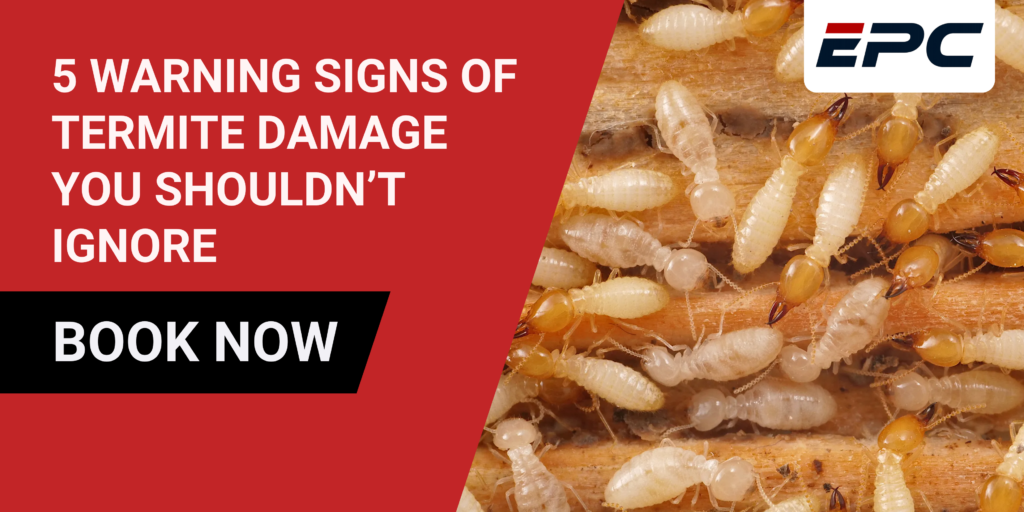
Termite damage often stays hidden until a colony has been active for some time. The five warning signs homeowners should take seriously are termite swarmers or shed wings, mud tubes, hollow or damaged wood, unusual changes to walls or wood surfaces, and unexplained weakness in floors or other wooden parts of the home.
Seeing one of these signs does not always prove that active termites are present. Moisture damage, carpenter ants, wood rot, and normal aging can sometimes create similar symptoms. However, the signs deserve a closer look, especially when several appear in the same area.
Subterranean termites are particularly important for Kentucky homeowners. They live mainly in soil and often enter buildings through hidden routes. The University of Kentucky explains that termite infestations may remain unnoticed for years because termites can feed behind walls, flooring, insulation, and other materials.
The financial risk is also significant. The U.S. Environmental Protection Agency states that termites cause billions of dollars in structural damage each year, while property owners spend more than $2 billion annually on termite treatment.
That does not mean every suspicious piece of wood is an emergency. The best response is to know what termite evidence looks like, document what you find, and have questionable activity identified before choosing a treatment.
Quick Guide to Termite Warning Signs
| Warning Sign | What You May Notice | Where to Check | Level of Concern |
| Swarmers or wings | Winged insects or piles of loose wings | Windows, doors, floors | High when found indoors |
| Mud tubes | Pencil-width earthen tunnels | Foundations, joists, piers | High |
| Damaged wood | Hollow areas or galleries with soil | Sills, framing, trim | High |
| Surface changes | Ripples, small holes, sunken areas | Walls, trim, drywall | Needs inspection |
| Weak wood or floors | Soft wood, sagging, loss of strength | Floors, supports, framing | Needs prompt evaluation |
These signs are useful clues, not a substitute for a termite inspection.
1. Are Termite Swarmers or Shed Wings a Warning Sign?
Yes. Finding winged termites inside your home is one of the strongest visible signs of a possible termite infestation.
Termite swarmers are reproductive members of an established colony. During certain conditions, they leave the colony, fly for a short time, shed their wings, and attempt to form new colonies.
In Kentucky, termite swarming often becomes noticeable during spring. Warmer temperatures and rainfall can trigger large numbers of winged termites to emerge.
Where Should You Look for Termite Wings?
Swarmers are attracted to light, so homeowners often notice them around:
- Windowsills
- Exterior doors
- Sliding doors
- Basement windows
- Floor edges
- Light fixtures
- Other bright areas
Sometimes you may never see the insects themselves. Instead, you may find small piles of discarded wings.
If you vacuum the wings without checking the area, you may remove one of the best clues about where the activity occurred. Take a clear photo first. If possible, save a few insects or wings in a small container for identification.
How Can You Tell Termites From Flying Ants?
Flying ants and termite swarmers are often confused with each other.
Look for these differences:
| Feature | Termite Swarmer | Flying Ant |
| Antennae | Straight | Bent or elbowed |
| Waist | Broad and fairly uniform | Narrow and pinched |
| Wings | Similar in size | Front wings longer |
| Body shape | More uniform | Clearly divided |
The University of Kentucky notes that winged termites found inside a building almost always indicate an infestation that warrants attention. A swarm coming from an old stump far across the yard does not automatically mean the house is infested.
That distinction is important. Location matters as much as appearance.
2. What Do Termite Mud Tubes Look Like?
Termite mud tubes are narrow earthen tunnels that subterranean termites build between the soil and a food source such as structural wood.
They often look like thin lines of dried mud running vertically or irregularly across a hard surface.
Common places to inspect include:
- Foundation walls
- Crawl space walls
- Support piers
- Sill plates
- Floor joists
- Basement walls
- Areas where concrete meets wood
- Utility entry points
The University of Kentucky describes many termite mud tubes as approximately pencil width, although they can sometimes be wider. Termites use these tubes as protected travel routes between underground colonies and a structure.
Does an Empty Mud Tube Mean the Termites Are Gone?
No.
A tube without visible termites does not prove that an infestation is inactive. Termites may stop using one section while continuing to forage somewhere else.
This is why simply scraping off a mud tube is not a reliable solution.
If you discover a suspicious tube, photograph it before disturbing it. Note its exact location and look nearby for additional tubes, wood damage, moisture, or other signs.
Avoid immediately applying a household insect spray. Termite control often depends on the type of termite, construction of the building, location of activity, and treatment method.
3. What Does Termite-Damaged Wood Look and Sound Like?
Subterranean termite damage often follows the grain of the wood and may contain small amounts of soil or dried mud inside the feeding galleries.
The outside surface may still look normal.
This hidden pattern is one reason termite damage can go unnoticed.
The EPA recommends checking exposed wood for hollow areas when termite activity is suspected.
You may notice:
- Wood that sounds unusually hollow when tapped
- Soft areas beneath an intact surface
- Thin outer layers covering damaged wood
- Channels running with the wood grain
- Soil or mud within damaged sections
- Trim or framing that breaks more easily than expected
Why Can Termite-Damaged Wood Look Normal?
Subterranean termites often feed inside wood rather than across the exposed outer face.
A baseboard, joist, sill, or other piece of lumber may therefore appear intact until pressure exposes the damage beneath it.
For example, a homeowner may notice that a section of basement wood sounds different when tapped. Another person may first discover damage when replacing flooring or opening a wall during remodeling.
The University of Kentucky notes that termite feeding can sometimes continue even in exposed wood while leaving the outer surface intact.
Is Hollow Wood Always Caused by Termites?
No.
Wood can weaken because of:
- Moisture
- Fungal decay
- Carpenter ants
- Other wood-damaging insects
- Age
- Construction defects
Carpenter ants, for example, excavate wood to create nesting areas rather than eating the wood as termites do.
Because different problems require different solutions, identification matters before treatment.
Homeowners who are unsure what pest they are seeing can review the pest library before deciding on the next step.
4. Can Termites Cause Changes in Walls, Drywall, or Trim?
Yes. Hidden termite activity can occasionally cause visible changes to surfaces covering the wood they are feeding on.
The University of Kentucky notes that termites may sometimes create tiny openings through drywall or plaster. Small amounts of soil may appear around the edges. Rippled or sunken areas behind wall coverings may also indicate tunneling underneath.
Possible warning signs include:
- Small unexplained holes in drywall
- Soil around tiny wall openings
- Rippling beneath paint
- Sunken areas on wall surfaces
- Trim that separates unexpectedly
- Paint or coverings that appear uneven
However, these signs require careful interpretation.
Is Bubbling Paint Always a Sign of Termites?
No.
Bubbling, peeling, or warped paint is often linked to moisture, poor surface preparation, leaks, or normal deterioration.
Do not assume termites are present based on paint alone.
Instead, look at the complete situation.
Ask:
- Is there a plumbing leak nearby?
- Is the wall close to the foundation?
- Are mud tubes present?
- Have swarmers appeared?
- Does nearby wood sound hollow?
- Is there unexplained soil in cracks or openings?
Several related clues are more meaningful than one cosmetic issue by itself.
If you need help identifying a recurring home pest problem, residential pest control services can provide a professional evaluation rather than relying only on visible symptoms.
5. Should Weak Floors or Damaged Structural Wood Concern You?
Unexplained weakness in wood should be investigated, especially when it appears with other termite warning signs.
Termites feed on cellulose materials, including structural lumber. Over time, extensive feeding can reduce the strength of affected wood.
A homeowner might notice:
- Flooring that feels unusually soft
- Wood trim that breaks easily
- Damaged floor joists
- Weak wooden supports
- Doors or frames that suddenly seem distorted
- Localized sagging near damaged wood
These problems do not automatically mean termites caused them.
Water damage, foundation movement, poor construction, aging materials, and wood decay can create similar symptoms.
The important issue is not to guess.
If a floor, beam, joist, or other structural component appears seriously weakened, avoid unnecessary probing or demolition. A pest professional can determine whether termite evidence is present, while a qualified building professional may be needed to evaluate structural damage.
Why Is Termite Damage So Easy to Miss?
Termites are different from many household pests because they spend much of their lives hidden.
You may never see groups of worker termites moving across an open floor.
Subterranean termites normally travel:
- Underground
- Inside mud tubes
- Within wood
- Behind walls
- Beneath flooring
- Around insulation
- Through concealed construction spaces
The EPA notes that most people do not realize termites are present until they see a swarm or uncover damage.
The University of Kentucky goes further, explaining that infestations can remain undetected for years because termite activity is often concealed.
That is why periodic inspection is valuable even when a home looks fine.
What Conditions Can Increase the Risk of Termite Problems?
Termites need cellulose for food and subterranean termites depend heavily on soil and moisture.
Several property conditions may make access easier.
Wood Touching Soil
Wood-to-soil contact can give termites a direct route from the ground into a structure.
Check:
- Wood siding
- Porch supports
- Steps
- Lattice
- Door frames
- Landscape timbers
- Scrap lumber
University of Kentucky guidance recommends maintaining separation between soil and structural wood when practical.
Excess Moisture Near the Foundation
Poor drainage may create favorable conditions around a building.
Check gutters and downspouts, repair leaks, and avoid allowing water to collect beside the foundation.
The EPA specifically recommends keeping soil around foundations dry through proper grading and drainage.
Firewood and Wood Debris
Do not pile firewood or waste wood directly against the house.
Old lumber, tree roots, buried wood, and construction debris can also provide cellulose near the structure.
What Should You Do If You Find Possible Termite Damage?
Do not panic, but do not ignore strong warning signs either.
Take these steps:
- Photograph what you found.
- Write down the exact location.
- Save insects or wings when possible.
- Avoid covering or repairing the area before identification.
- Do not rely on household spray as proof the problem is solved.
- Arrange an inspection when evidence suggests termites.
If the issue involves important structural wood, limit unnecessary disturbance until the area can be evaluated.
Termite management is more complex than treating many common household insects. The University of Kentucky recommends professional help for home infestations because inspection and treatment require knowledge of building construction, termite entry points, and specialized control methods.
Can You Prevent Termite Damage?
No method can promise that a home will never have termites, but homeowners can reduce favorable conditions and make activity easier to detect.
Helpful steps include:
- Keep soil and mulch from covering vulnerable wood.
- Fix plumbing and exterior leaks.
- Maintain gutters and downspouts.
- Keep firewood away from the house.
- Remove scrap lumber and wood debris.
- Reduce foundation cracks and suitable utility gaps.
- Keep vents open and unobstructed.
- Inspect accessible foundation areas periodically.
- Have suspicious activity identified promptly.
Routine prevention is often much easier than trying to understand years of hidden damage after it becomes visible.
Frequently Asked Questions
What is the first sign of termite damage?
For many homeowners, the first visible sign is a group of winged termite swarmers or discarded wings near windows or doors. Mud tubes or hidden wood damage may also be discovered first. Termites can remain concealed, so there is no single warning sign that appears in every infestation.
How can you tell if termite damage is old or active?
It can be difficult for a homeowner to determine activity from damage alone. An old mud tube may remain after termites stop using it, and an empty tube does not prove the colony is gone. A professional inspection can look for live termites, current tubes, moisture, and other evidence.
What does termite damage look like inside wood?
Subterranean termite damage often follows the grain of the wood. Feeding galleries may contain bits of soil or dried mud. The surface may remain intact even when the inside has been damaged.
Do termites come back after treatment?
Reinfestation is possible. A successful treatment does not permanently remove every future risk around a property. Continue controlling moisture, reducing wood-to-soil contact, and following inspection or warranty recommendations provided with the treatment.
Can termites destroy a house?
Termites can cause serious structural damage when an infestation remains active long enough, but the severity varies widely. Finding termites does not automatically mean a home is unsafe. An inspection can identify the extent of pest activity, and structural concerns should be evaluated separately when needed.
Should I treat termites myself?
For an established home infestation, professional evaluation is usually the safer approach. Termite treatment often requires specialized knowledge, equipment, and access to hidden areas. Any pesticide used around a home must also follow its EPA-approved label instructions.
Conclusion
The most important termite warning signs are indoor swarmers or shed wings, mud tubes, wood that has been hollowed or damaged along the grain, unusual wall or trim changes, and unexplained weakness in wooden parts of the home.
None of these signs should be considered in isolation. Moisture, carpenter ants, wood rot, and structural issues can sometimes look similar.
Document suspicious activity, avoid guessing at the cause, and have the pest identified before committing to treatment. Early attention can help homeowners understand what is happening while there are still more options for addressing both the termites and any conditions that may be helping them.
If you have found swarmers, mud tubes, suspicious wood damage, or another sign you cannot identify, you can request a professional assessment. A careful inspection can help separate active termite evidence from other types of damage and determine the right next step for your property. For homeowners in its Kentucky and Southern Indiana service areas, Empire Pest Control can help evaluate suspected termite activity without relying on guesswork.