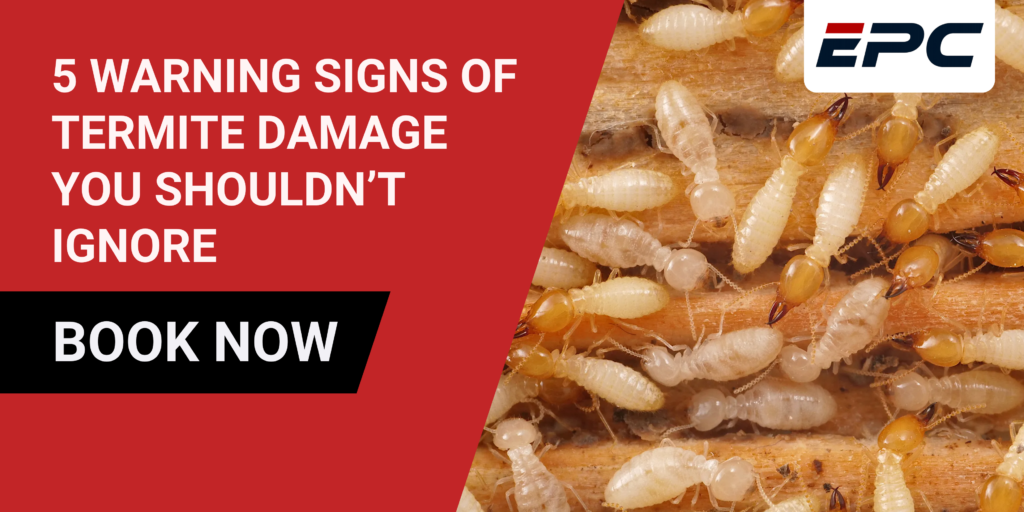

Spring pest prevention in Kentucky starts with four simple goals: keep pests out, remove their food, reduce moisture, and eliminate places where they can hide or breed.
As temperatures rise and spring rain returns, homeowners may begin seeing ants, termites, mosquitoes, ticks, wasps, spiders, and other pests around the house and yard. Some pests become more active outdoors. Others find their way inside through small gaps around doors, windows, pipes, vents, and utility lines.
A good spring pest prevention plan does not mean spraying every insect you see. It means checking your property for conditions that make pest activity easier.
Start outside. Inspect the foundation, doors, windows, gutters, landscaping, firewood, and areas that collect water. Then move indoors and check kitchens, bathrooms, basements, garages, and storage spaces.
The U.S. The Environmental Protection Agency recommends preventing pest problems by limiting access to food, water, and shelter before relying on pesticides.
For Kentucky homeowners, spring is also an important time to watch for termite swarmers. The University of Kentucky notes that winged termites often appear during spring as warmer temperatures and rainfall trigger swarming activity.
Use the following checklist to make your home less inviting to common spring pests.
Quick Spring Pest Prevention Checklist
Use this list for a fast inspection before working through the detailed steps below.
- Check exterior doors for gaps and worn sweeps.
- Repair damaged window and door screens.
- Seal appropriate gaps around pipes and utility lines.
- Fix dripping faucets and plumbing leaks.
- Clean gutters and check downspouts.
- Remove standing water from containers each week.
- Keep mulch from piling against siding and wood.
- Move firewood and scrap lumber away from the foundation.
- Look for termite wings, mud tubes, and damaged wood.
- Clean kitchen crumbs, grease, and spills.
- Store pantry items and pet food in closed containers.
- Reduce cardboard and clutter in storage areas.
- Remove leaf litter and tall grass near outdoor living spaces.
- Watch for recurring ant trails and pest activity.
- Contact a qualified pest control provider when activity continues or identification is uncertain.
Why Does Spring Pest Activity Increase in Kentucky?
Spring changes the conditions around your home.
Warmer temperatures allow many insects to become more active. Rain increases moisture around foundations, landscaping, gutters, and low areas of the yard. Plants grow again, outdoor food sources become more available, and homeowners spend more time opening doors and working outside.
Different pests respond in different ways.
| Spring Pest | What Homeowners May Notice | What to Check |
| Ants | Indoor trails, ants near sinks or windows | Food, moisture, cracks, utility openings |
| Termites | Winged swarmers, shed wings, mud tubes | Foundation, wood, crawl spaces |
| Mosquitoes | More activity around patios and yards | Standing water and containers |
| Ticks | Activity in grassy or brushy areas | Tall grass, leaf litter, wooded edges |
| Rodents | Droppings, gnaw marks, noises | Door gaps, utility openings, storage |
| Wasps | Early nest building | Eaves, decks, sheds, protected areas |
| Spiders | Webs around windows and lights | Entry points and other insect activity |
Spring pest prevention works best when you address the condition behind the activity rather than simply removing the pest you can see.
How Should You Check Doors, Windows, and Entry Points?
Walk around the home slowly and look at every point where the building meets the outdoors.
Inspect Exterior Doors
Close each exterior door and look for daylight underneath or around the edges.
Pay special attention to:
- Front and back doors
- Garage entry doors
- Garage door corners
- Basement doors
- Sliding doors
- Weather stripping
- Door sweeps
Small openings matter.
The University of Kentucky reports that gaps of only 1/16 inch can allow some insects and spiders inside, while a gap about 1/4 inch wide can be large enough for mice. A 1/2 inch opening can provide access for rats.
Replace worn sweeps and weather stripping when needed.
Check Windows and Screens
Inspect screens for tears, loose corners, or holes. Make sure windows close properly.
Screens help reduce mosquitoes, flies, and other flying insects entering the house. The CDC also recommends installing or repairing window and door screens as part of mosquito prevention.
Inspect Utility Openings
Look where:
- Water pipes enter
- Electrical lines enter
- Cable or internet lines enter
- Outdoor faucets connect
- Dryer vents exit
- Air conditioning lines enter
Seal suitable gaps with materials designed for the opening. Do not block required ventilation, drainage, exhaust openings, or equipment access.
Why Is Moisture Control Important for Pest Prevention?
Many household pests depend on moisture.
That does not mean every wet area will cause an infestation. It does mean persistent moisture can make some locations more attractive to insects and other pests.
Check:
- Under kitchen sinks
- Around bathroom plumbing
- Around washing machines
- Near water heaters
- Basement corners
- Crawl spaces
- Outdoor faucets
- Gutters
- Downspouts
- Areas beside the foundation
Repair leaks instead of allowing them to become permanent moisture sources.
EPA pest prevention guidance recommends fixing leaking plumbing and preventing water from accumulating indoors.
Outside, make sure gutters drain properly and that water does not repeatedly collect near the structure.
A pest treatment may address insects that are present, but it will not repair the moisture condition attracting them.
How Often Should You Remove Standing Water?
Check your property for standing water at least once a week during mosquito season and after significant rain.
Mosquitoes need water for their immature stages. Even containers that seem harmless can become water holding sites.
The CDC recommends that homeowners empty and scrub, turn over, cover, or discard water holding containers once a week.
Check:
- Buckets
- Birdbaths
- Plant saucers
- Children’s toys
- Wheelbarrows
- Tarps
- Trash containers
- Unused flowerpots
- Small pools
- Tires
- Outdoor decorations
Keep rain barrels and other water storage containers tightly covered.
A simple routine helps. Choose one day each week and include the yard inspection with another regular task, such as taking out the trash or mowing the lawn.
What Should You Do With Mulch, Firewood, and Yard Debris?
Spring landscaping can sometimes create pest friendly conditions when materials are placed too close to the house.
Avoid Excess Mulch Against the Structure
Mulch helps landscaping, but deep or constantly damp mulch against the building can hold moisture.
Avoid piling mulch against:
- Wood siding
- Door frames
- Window frames
- Structural wood
Before adding another layer in spring, check whether the existing mulch is already deep enough.
Check Firewood and Scrap Lumber
Avoid storing firewood directly against the foundation.
Also remove unnecessary:
- Scrap wood
- Old boards
- Fallen branches
- Rotting lumber
- Cardboard stored outdoors
Wood that contacts both the structure and soil deserves special attention because subterranean termites live in the soil and can use concealed routes to reach wood.
The University of Kentucky recommends reducing conditions that favor termite entry and checking for signs such as mud tubes, swarmers, and damaged wood.
What Are the Spring Warning Signs of Termites?
Spring is one of the most important times for Kentucky homeowners to watch for termite activity.
The University of Kentucky explains that subterranean termites commonly become noticeable in spring when winged reproductive termites, called swarmers, emerge. Warm temperatures and rainfall can trigger this activity.
Look for three main signs.
1. Winged Termites or Shed Wings
You may find insects or discarded wings around:
- Windows
- Doors
- Basement areas
- Light sources
- Floor edges
Finding termite swarmers emerging indoors usually deserves professional attention.
2. Mud Tubes
Subterranean termites may build narrow earthen tubes along:
- Foundation walls
- Support piers
- Sill plates
- Floor joists
- Other structural surfaces
These tubes allow termites to travel while maintaining the conditions they need.
3. Damaged Wood
Wood affected by termites may look normal from the outside while containing damage inside.
Do not tear apart structural wood simply to investigate. Photograph suspicious areas and arrange an inspection if needed.
Are Flying Ants and Termites the Same?
No.
They can appear at similar times, which often causes confusion.
Winged ants generally have:
- A narrow, pinched waist
- Bent or elbowed antennae
- Front wings longer than the rear wings
Termites generally have:
- A broad waist
- Straight antennae
- Wings of similar length
The University of Kentucky recommends proper identification because ant and termite management are very different.
The Empire Pest Control pest library can also help homeowners learn more about common household pests.
How Can You Make Your Kitchen Less Attractive to Ants and Roaches?
Spring cleaning can support pest prevention when it focuses on food and moisture.
Do not worry about making your home look perfect. Focus on the areas pests can use.
Clean:
- Crumbs under appliances
- Food residue around trash cans
- Grease near cooking areas
- Spilled drinks
- Pet food around bowls
- Pantry spills
- Food beneath furniture
Store dry foods in closed containers when practical.
Keep trash cans covered and empty them regularly.
Avoid leaving pet food out longer than necessary, especially overnight.
The EPA recommends reducing food, water, and shelter as basic household pest prevention measures.
What If You Already See Ant Trails?
Do not automatically spray every ant you see.
Watch where the ants travel. Their trail may lead toward a crack, window, pipe opening, or nesting area.
The University of Kentucky explains that worker ants often follow established odor trails between food sources and nests. Treatment methods depend on the ant species and nest location.
If bait is being used, avoid placing repellents or strong cleaners directly around the bait unless the product instructions tell you otherwise.
How Can You Reduce Ticks Around Your Yard?
Ticks deserve attention when spring outdoor activity increases.
The CDC states that tick exposure can occur throughout the year, but ticks are generally most active during the warmer months from April through September.
Ticks often occur in grassy, brushy, or wooded environments.
To make frequently used parts of your yard less suitable for ticks:
- Remove leaf litter.
- Cut tall grass.
- Clear brush near the lawn.
- Keep wood stacked neatly in a dry location.
- Keep play areas away from wooded edges when practical.
- Remove unused furniture or debris from the yard.
After gardening, hiking, yard work, or time near brush and woods, check people and pets for ticks.
Spraying alone should not be treated as the only tick prevention measure.
What Should You Do About Wasps and Stinging Insects?
Early spring is a useful time to inspect protected areas where wasps may begin building nests.
Check:
- Eaves
- Porch ceilings
- Deck railings
- Sheds
- Play structures
- Outdoor furniture
- Other sheltered areas
Small early nests may be easier to notice before activity increases.
However, do not disturb an active nest if you are unsure of the insect or if someone nearby has a known severe sting allergy.
Honey bees and some other pollinators are beneficial insects, so accurate identification matters before treatment or removal.
Why Should You Clean the Garage, Basement, and Storage Areas?
Clutter gives pests places to hide and makes inspections harder.
Cardboard can also remain undisturbed for long periods, especially in garages and basements.
During spring cleaning:
- Recycle unused cardboard.
- Remove unnecessary paper stacks.
- Keep storage off the floor when practical.
- Check boxes before carrying them inside.
- Store pet food in sealed containers.
- Look behind shelves and stored items.
- Check for droppings or gnaw marks.
EPA guidance specifically recommends reducing clutter such as cardboard, newspapers, and magazines because these materials can provide pest hiding areas.
When Should You Call a Pest Control Professional?
Home maintenance can prevent many pest problems, but some situations deserve professional evaluation.
Consider contacting a licensed pest control provider when you find:
- Termite swarmers indoors
- Suspected termite mud tubes
- Recurring rodent activity
- Persistent ant trails
- Large or difficult stinging insect nests
- Pest activity that returns after basic prevention
- Damage that may affect the structure
- A pest you cannot confidently identify
Before hiring a company, ask whether it is properly licensed and insured and what pest has been identified.
Also ask:
- What conditions may be contributing to the problem?
- What treatment is recommended?
- Are pesticides necessary?
- What preparation is required?
- When can children and pets safely return?
- What steps can help prevent another problem?
Any pesticide treatment should follow the product label. EPA safety guidance states that homeowners should use pesticides only as directed and should not assume that applying more product will improve results.
For local assistance, homeowners can review residential pest control services available for North Central Kentucky and Southern Indiana. Empire Pest Control states that its residential services are provided by a licensed and insured local company.
Frequently Asked Questions
When should I start spring pest prevention in Kentucky?
Start during the first mild part of spring, before pest activity becomes heavy. Inspect doors, screens, plumbing, gutters, standing water, landscaping, and the foundation. Continue checking throughout spring, especially after heavy rain.
What pests are most common around Kentucky homes in spring?
Homeowners may notice ants, termites, mosquitoes, ticks, spiders, wasps, and occasional rodents. The exact activity varies by property, weather, moisture, vegetation, and available food and shelter.
Does a clean house prevent all pests?
No. Cleaning removes many food and hiding sources, but pests can still enter through gaps or follow moisture. Combine cleaning with exclusion, leak repair, moisture control, and outdoor maintenance.
How do I know whether flying insects are ants or termites?
Look at the body and antennae. Ants have a narrow waist and bent antennae. Termites have a wider, more uniform body and straight antennae. Termite wings are also similar in size. If you are unsure, save a sample or photograph it for identification.
Will spraying my house prevent spring pests?
Not by itself. Long term prevention usually requires removing food, water, shelter, breeding sites, and entry points. If pesticides are needed, use a product designed for the identified pest and follow the label.
How often should I inspect my home for pests?
A detailed inspection at the start of each season is useful, but some areas need more frequent attention. Check standing water weekly in mosquito season and inspect again after storms, plumbing leaks, landscaping work, or unusual pest sightings.
Conclusion
A good Kentucky spring pest prevention plan is mostly about making small corrections before they become larger problems.
Seal appropriate entry points. Repair screens. Fix leaks. Keep food stored properly. Clear clutter. Remove standing water each week. Maintain the yard. Keep wood and excess mulch away from vulnerable parts of the structure. Most importantly, learn the warning signs that should not be ignored, especially termite swarmers, mud tubes, repeated rodent activity, and recurring pest trails.
These steps cannot guarantee that you will never see a pest, but they can make your property less attractive and make unusual activity easier to spot early.
If you find signs that require identification or treatment, choose a licensed and insured provider and ask what is causing the problem before deciding on a solution. Homeowners in North Central Kentucky and nearby service areas can request an assessment or quote from Empire Pest Control for help evaluating pest activity around the home.